Local guide
Cant hear speech in noisy places
Find out why conversation disappears in busy rooms, what that pattern can point to, how an audiologist tests for it, and whether a hearing test is the right next step.

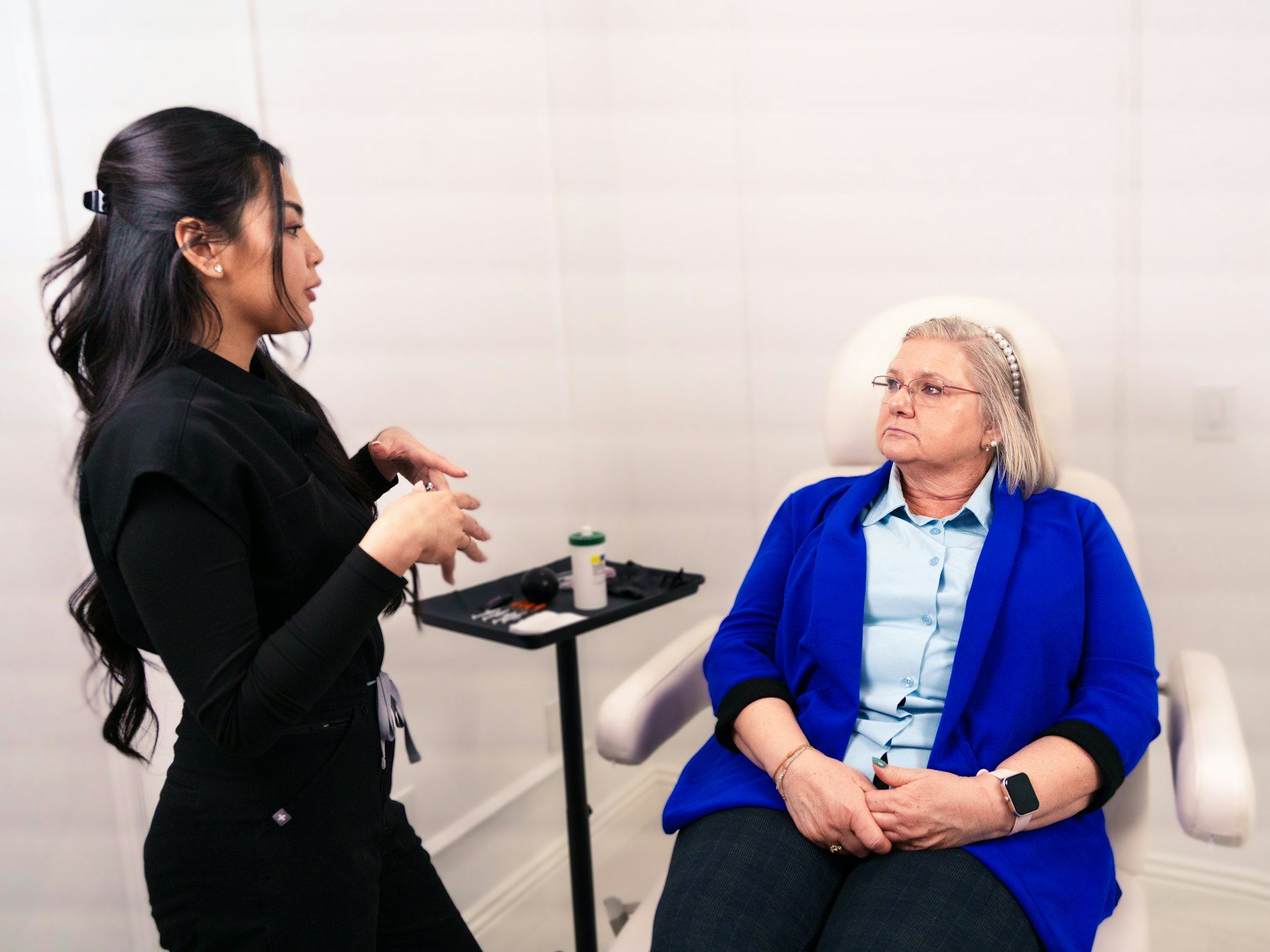
Why quiet rooms are fine but seafront pubs are not
Sitting across from someone at home, you follow every word. Then you walk into a busy pub on the seafront in Southend-on-Sea and the conversation turns to mush. You can hear that people are talking, but picking out the actual words becomes hard to hear in restaurants and bars along the coast.
This background noise hearing problem happens because the ear has two jobs. The first is detecting sound. The second is separating one voice from everything else. When the first job works perfectly but the second struggles, you end up hearing fine quiet rooms only. The moment chatter, music and clinking glasses compete, the brain loses its grip on the voice you want to follow.
So when you notice you cant hear speech in noisy places, the issue is often about how the ear processes complex sound rather than a simple drop in volume. An audiologist looks at both parts of that process during a full appointment.
Does struggling in noise mean your hearing is going
Losing track of conversation in a crowd does not automatically mean you are going deaf. It can point to several different things. Sometimes wax buildup muddies incoming sound just enough to cause trouble following conversation groups while leaving one-to-one chats clear. Other times, early changes in the inner ear affect high-pitched consonants first, which are exactly the sounds that carry meaning through noise.
Years of loud music can also play a part. Regular exposure to heavy bass and amplified sound damages the tiny hair cells responsible for sharp hearing. That damage often shows up as difficulty in busy environments long before it affects listening at home.
The only way to know what is happening is to have the ears checked. A hearing test measures thresholds across different pitches and includes specific tasks designed to reveal how well you separate speech from interference. Find out more about what those checks involve on the hearing test page.
How a speech in noise test works
A standard hearing test checks the softest sounds you can detect in a silent booth. A speech in noise test goes further. During this assessment, the audiologist plays recorded sentences through headphones while adding background babble or static. Your task is to repeat back what you hear as the competing sound gets louder.
This measures something called the signal-to-noise ratio: the point where background sound drowns out the target voice. For anyone booking a speech in noise test Essex clinics offer, the procedure usually adds ten to fifteen minutes to a routine appointment.
The results tell the specialist whether the difficulty stems from reduced sensitivity, a processing issue, or a combination of both. That distinction matters because it shapes what happens next, whether that means clearing wax, fitting aids, or simply monitoring changes over time.
Whether hearing aids help in a noisy restaurant
Modern hearing aids do much more than turn up the volume. They contain directional microphones that focus on the person sitting in front of you while reducing sound arriving from the sides and behind. Many also run algorithms that identify speech patterns and suppress steady background hum.
For someone who finds a noisy pub impossible to follow, these features can make a real difference. The aids do not restore perfect hearing, but they improve the signal-to-noise ratio enough to bring conversations back within reach.
An audiologist will discuss whether devices suit your specific pattern of hearing. If they do, the fitting process includes programming the aids for the environments where you struggle most. Read more about the types available on the hearing aids page, including options fitted locally around Southend-on-Sea.
Getting tested when home listening seems fine
Putting off a test because your hearing feels normal at home is common. But waiting until quiet conversations become difficult means missing the window where small interventions work best. Early changes rarely announce themselves in silence; they show up first in the places where you actually spend your social time.
If you regularly visit restaurants near the estuary or catch up with friends in busy venues, a check gives you a baseline. Should things shift over the next year or two, the audiologist has previous results to compare against.
Appointments around Southend-on-Sea, including Leigh-on-Sea, Shoeburyness and Eastwood, typically take under an hour from arrival to finish. You leave knowing exactly where your hearing stands and what, if anything, needs attention. Look at the signs page if you are unsure whether testing is warranted yet.
What happens at the appointment
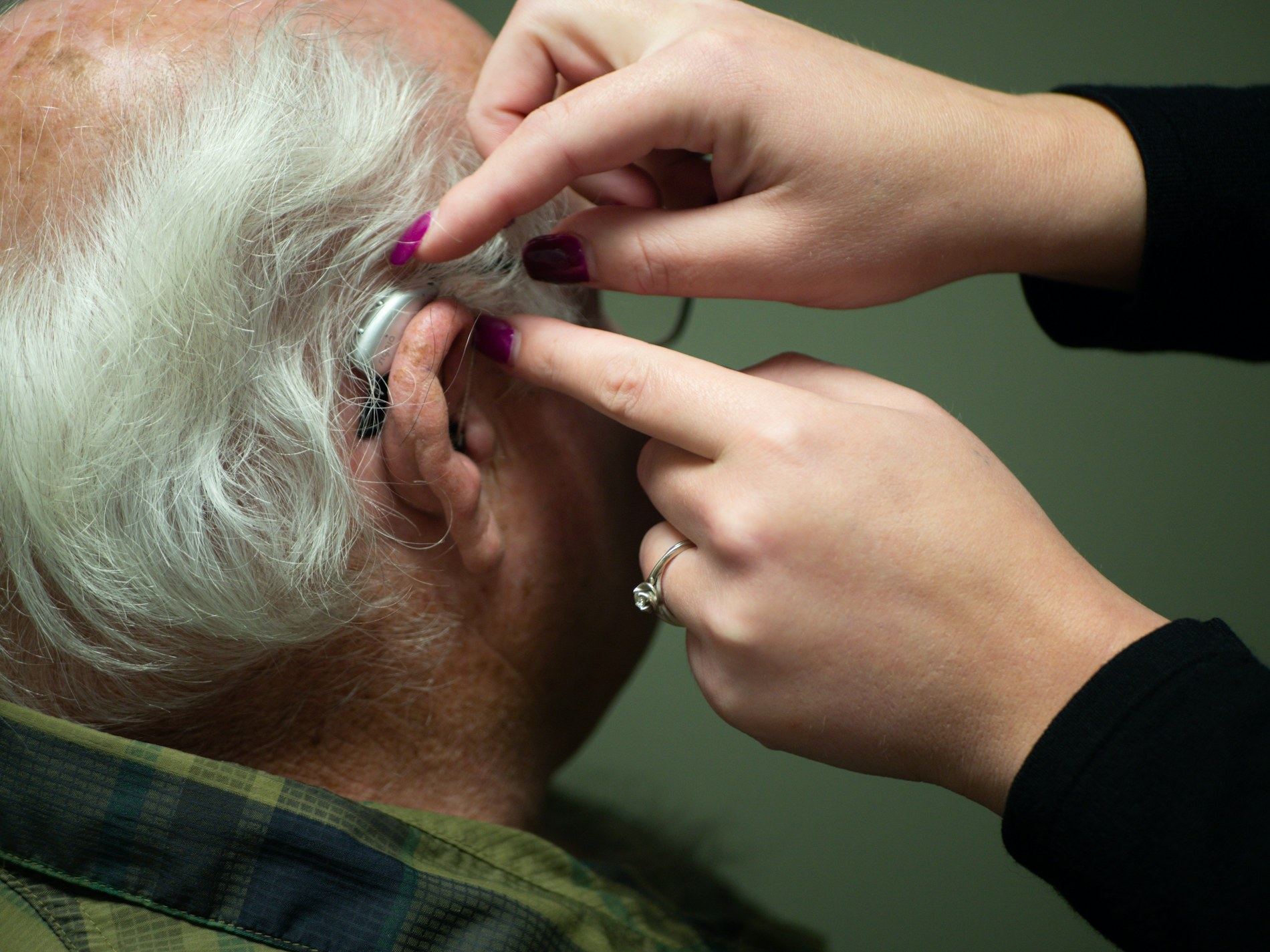
- 1
Initial questions
The audiologist asks where you notice problems, such as busy pubs or family gatherings, and reviews your medical history.
- 2
Ear examination
A visual check looks for wax blockage, infection or other physical causes before any sound testing begins.
- 3
Tone and speech testing
You listen to tones and spoken words through headphones in a quiet booth to map your hearing thresholds.
- 4
Results discussion
The audiologist explains what the readings mean and recommends next steps, which may include a referral or aids.
Common questions about hearing in noise
Straight answers to the things people ask before booking a test in Southend-on-Sea.
- Why is a noisy pub so hard?
- Background chatter competes with the voice you want. If the ear struggles to separate them, speech disappears even when volume is fine.
- Am I going deaf?
- Not necessarily. Difficulty in noise can stem from wax, early inner-ear changes or past loud music exposure.
- Is speech testing standard?
- It is included when you describe trouble in busy settings. The audiologist adds sentences played against background noise.
- Did loud music cause this?
- Years of amplified sound can damage hair cells that distinguish speech from noise, showing up first in crowded rooms.
- Would hearing aids help?
- Modern devices use directional microphones to focus on the speaker ahead and reduce surrounding noise.
- Is testing worth it?
- Yes. A baseline now means any future change is caught early, and appointments take under an hour.
Ask about a hearing test in Southend-on-Sea
Send your details and the local clinic will respond with available appointment times. There is no obligation to proceed with treatment or purchase devices.
- No commitment required
- Local appointments
- Clear pricing upfront