Booking page
Hearing aids in Southend-on-Sea
Find out how hearing aids southend on sea are fitted, programmed to your test results and looked after. A specialist explains the styles available, what happens at a hearing aid fitting in Southend, and how follow-up appointments work.

Styles of hearing aids available locally
The practice taking your enquiry stocks several designs. Each one handles sound differently, so the right choice depends on your hearing test results and daily routine.
-
Behind the ear aids
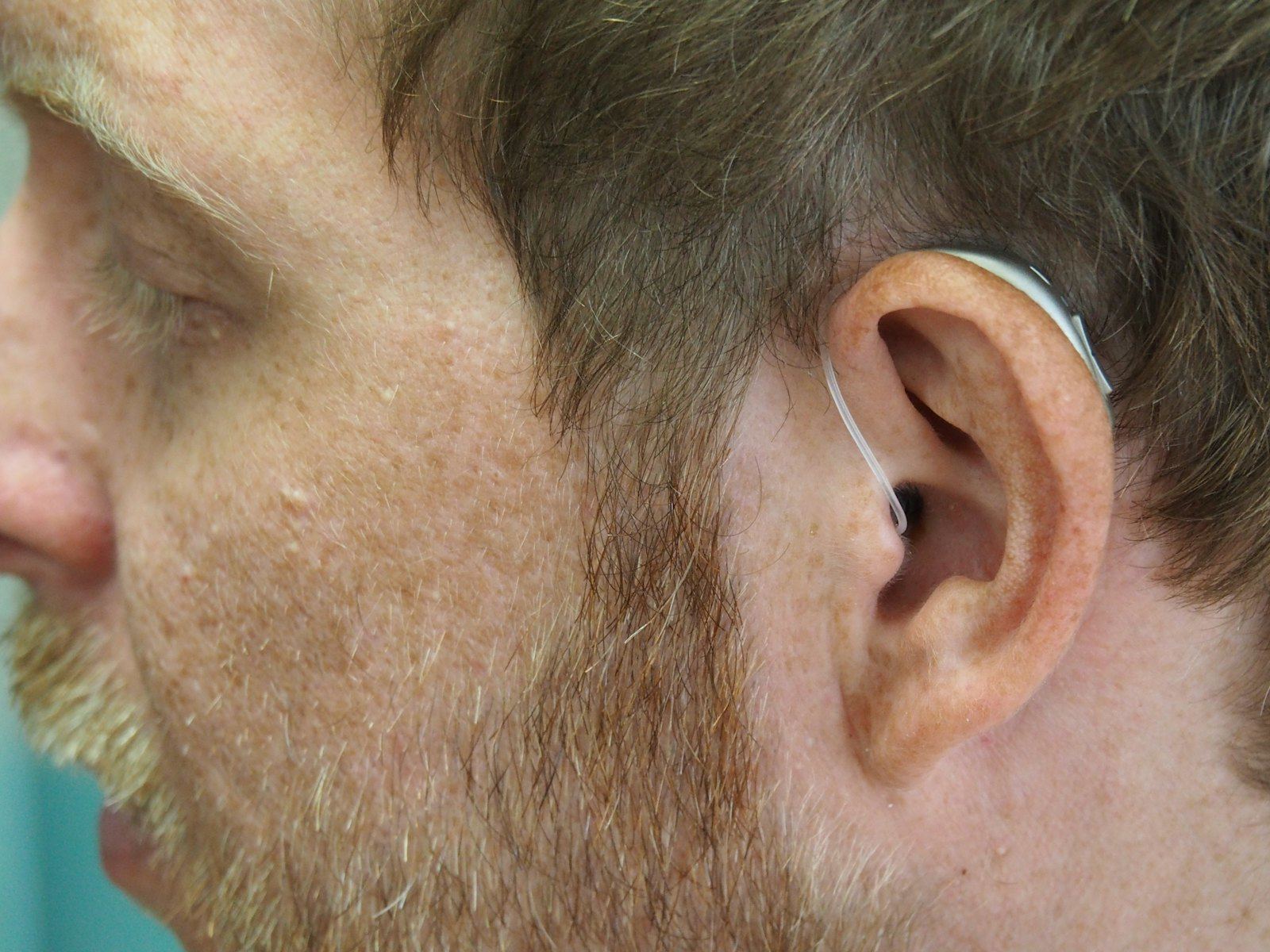
A behind the ear model sits neatly above the ear, with a thin tube or wire directing sound into the canal. Because the casing is larger, it holds a bigger battery and suits people who need more amplification. During a hearing aid fitting in Southend, the audiologist shapes the earpiece to sit comfortably. Rechargeable hearing aids in Southend often use this style, since there is room for the charging contacts. You get a device that is straightforward to handle and easy to keep clean.
-
In the ear and invisible aids
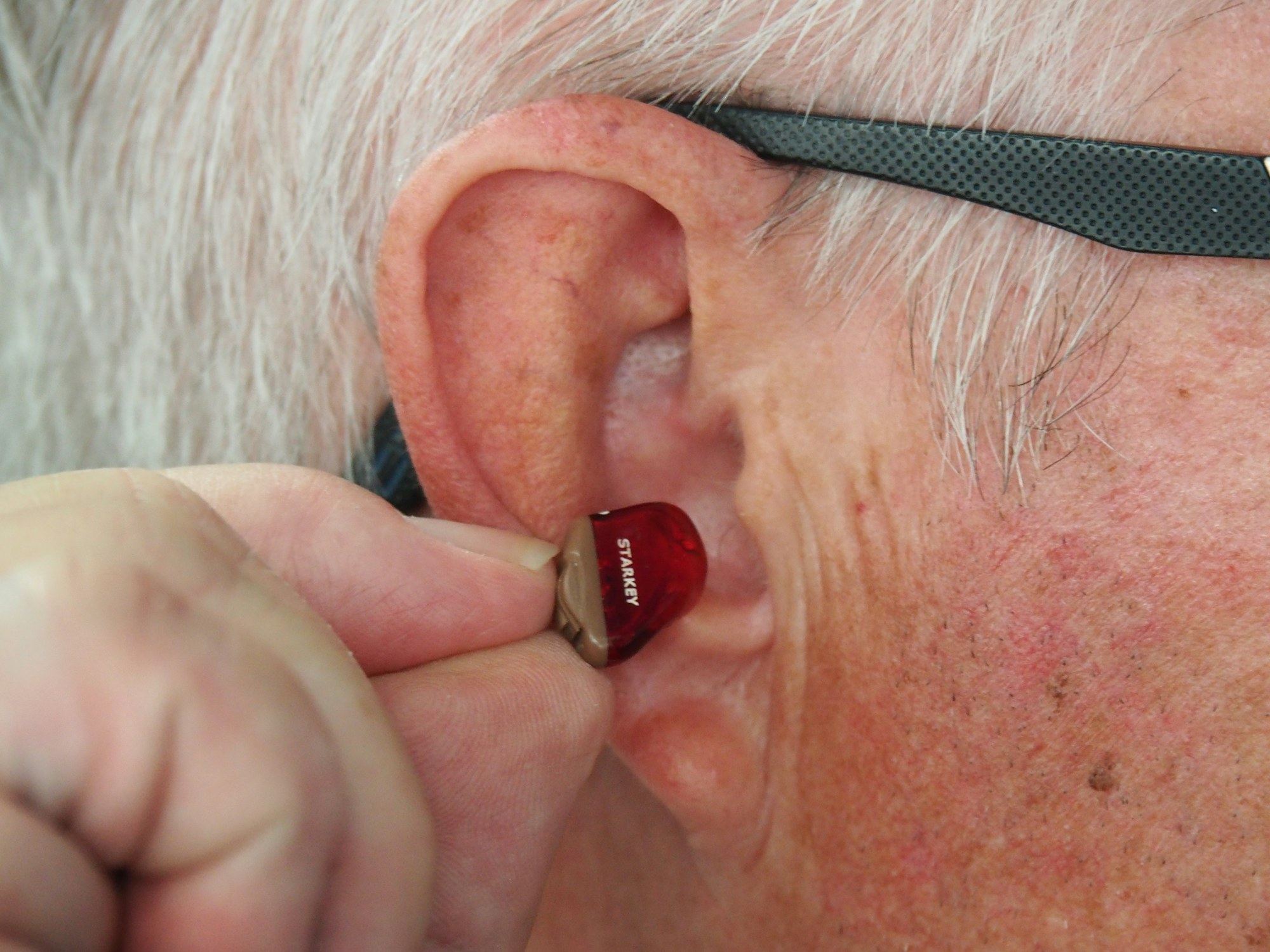
An in the ear aid fills part of the outer ear bowl. Smaller versions sit deeper in the canal, which some people look for when they want something less visible, including those asking about invisible hearing aids in Essex. The audiologist takes an impression of your ear so the shell fits exactly. These models suit mild to moderate hearing loss because the smaller case limits battery size. You receive a discreet aid shaped to your own anatomy, programmed using the same test data as any other style.
-
Receiver in canal aids
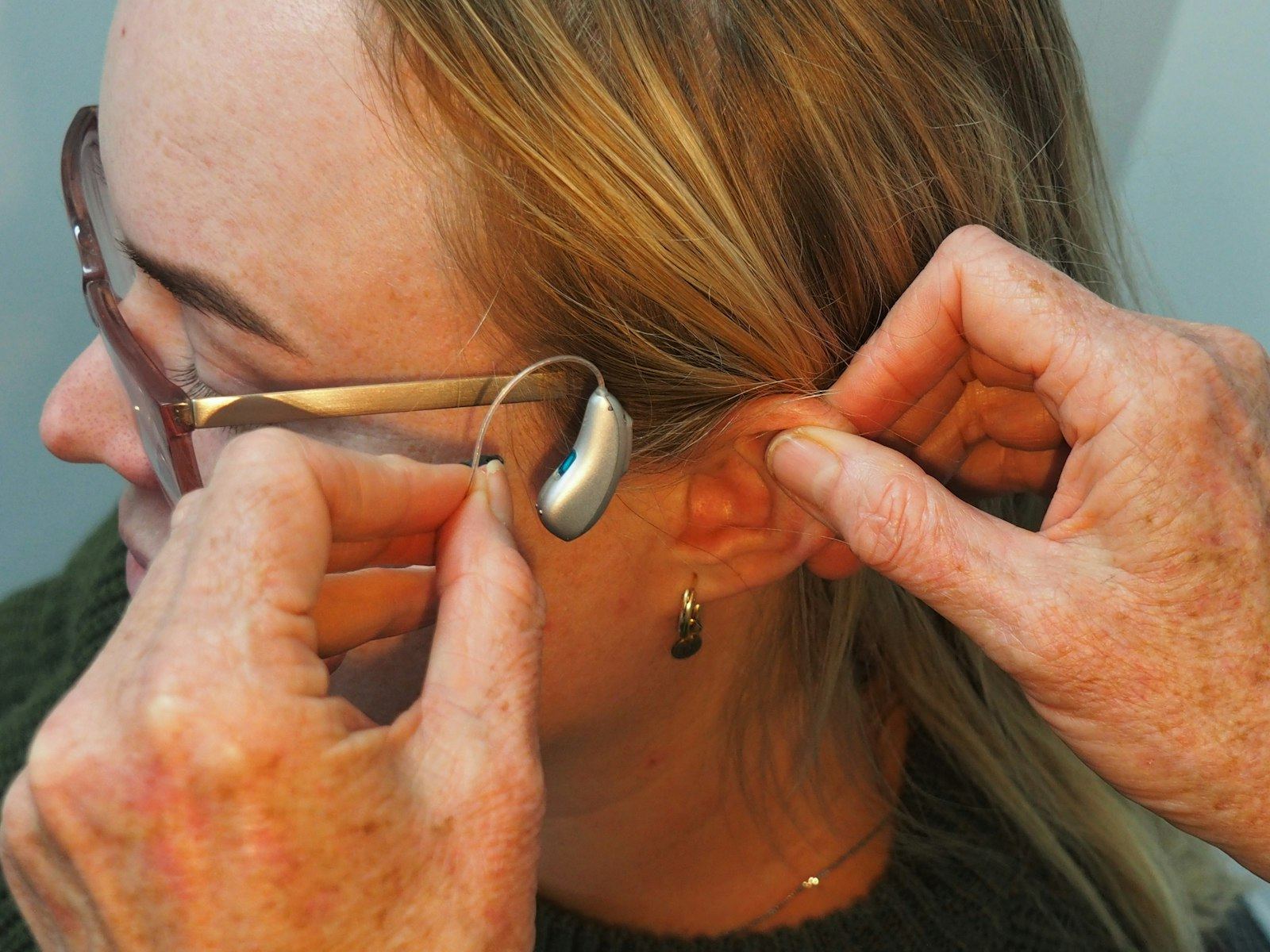
A receiver in canal design keeps the main body behind the ear but places the speaker directly inside the canal, joined by a thin wire. This separates the microphone from the speaker, reducing feedback. It gives clearer sound than a standard behind the ear model while staying small enough to be unobtrusive. Many rechargeable hearing aids in Southend use this layout. The audiologist selects the correct dome or mould for your ear shape, and you leave with a device tuned to your specific hearing profile.

How the fitting works for you
Every step follows the results of your hearing test, so the aid matches what your ears actually need rather than a default setting.
- Programming to your results The audiologist loads your test data to set each frequency.
- Physical fit check Earpieces are adjusted by the specialist until they sit securely without causing pressure.
- Real world listening You try the aids in different rooms to hear everyday sounds.
- Follow-up adjustments A hearing aid adjustment appointment lets the specialist fine-tune settings after initial use.
- Ongoing repairs If a unit stops working, the clinic handles hearing aid repairs near me.
What you receive after the fitting
The audiologist records every decision made during the appointment. You leave with written details of the settings chosen, the maintenance schedule and the plan for follow-up visits.

- Programmed hearing aids
- Hearing aids programmed to the exact frequencies found during your hearing test, set up by the specialist so they are ready to wear when you leave the fitting appointment.
- Written fitting record
- A written record of the hearing aid style, programming settings and battery type the audiologist selected for your ears, kept on file for any future adjustment appointments or repairs.
- Aftercare schedule
- Scheduled follow-up dates so the audiologist can adjust sound levels as you adapt to wearing the devices, plus details on how to arrange repairs if something stops working.
Choosing between aid styles
Different shapes handle sound, batteries and visibility in distinct ways. The right one depends on your hearing test and daily habits.
Behind the ear
- Size and visibility
- Sits behind the ear; slightly more noticeable but easier to handle.
- Battery life
- Larger case holds a bigger battery, lasting longer between charges.
- Power output
- Suits mild through severe loss because of the larger speaker.
- Moisture resistance
- Electronics stay outside the canal, away from ear moisture.
In the ear
- Size and visibility
- Fills the ear bowl or canal; less visible but smaller to grip.
- Battery life
- Smaller shell means shorter battery life or more frequent charging.
- Power output
- Best for mild to moderate loss where extreme volume is not needed.
- Moisture resistance
- Sits inside the ear, so sweat and wax reach the components faster.
The audiologist advises which style suits you after reviewing your hearing test.
What affects the cost of hearing aids
No two fittings cost the same because the work depends on your hearing, the technology level you choose and the amount of aftercare involved.
- Technology level
- Advanced noise processing and directional microphones add to the manufacturing cost of the device.
- Style and custom moulds
- A shell built from an ear impression takes more laboratory time than a standard dome fit.
- Rechargeable batteries
- Built-in lithium cells cost more upfront but remove the ongoing expense of disposable batteries.
- Aftercare package
- Clinics that include multiple follow-up visits and repair cover build that into the total.
The practice explains hearing aid prices in Southend-on-Sea before you agree to anything.
Areas covered around Southend-on-Sea
Specialist clinics take enquiries across the borough and neighbouring towns. Whether you live near the seafront or further inland, a local audiologist handles your hearing test, fitting and aftercare close to home.
If your town is not listed, send an enquiry to check availability nearby.
Send an enquiry about hearing aids
Your details go to a local practice that arranges hearing care in Southend-on-Sea. They will contact you to discuss your needs. Sending this form does not commit you to buying anything.
- No obligation to buy
- Local specialist replies
- Questions answered first