Local guides
Hearing test guides and advice for Southend readers
Read through the articles on ear wax, hearing aids, tinnitus and what happens during a test. Each piece answers a specific question you might have about your ears or your hearing at home.

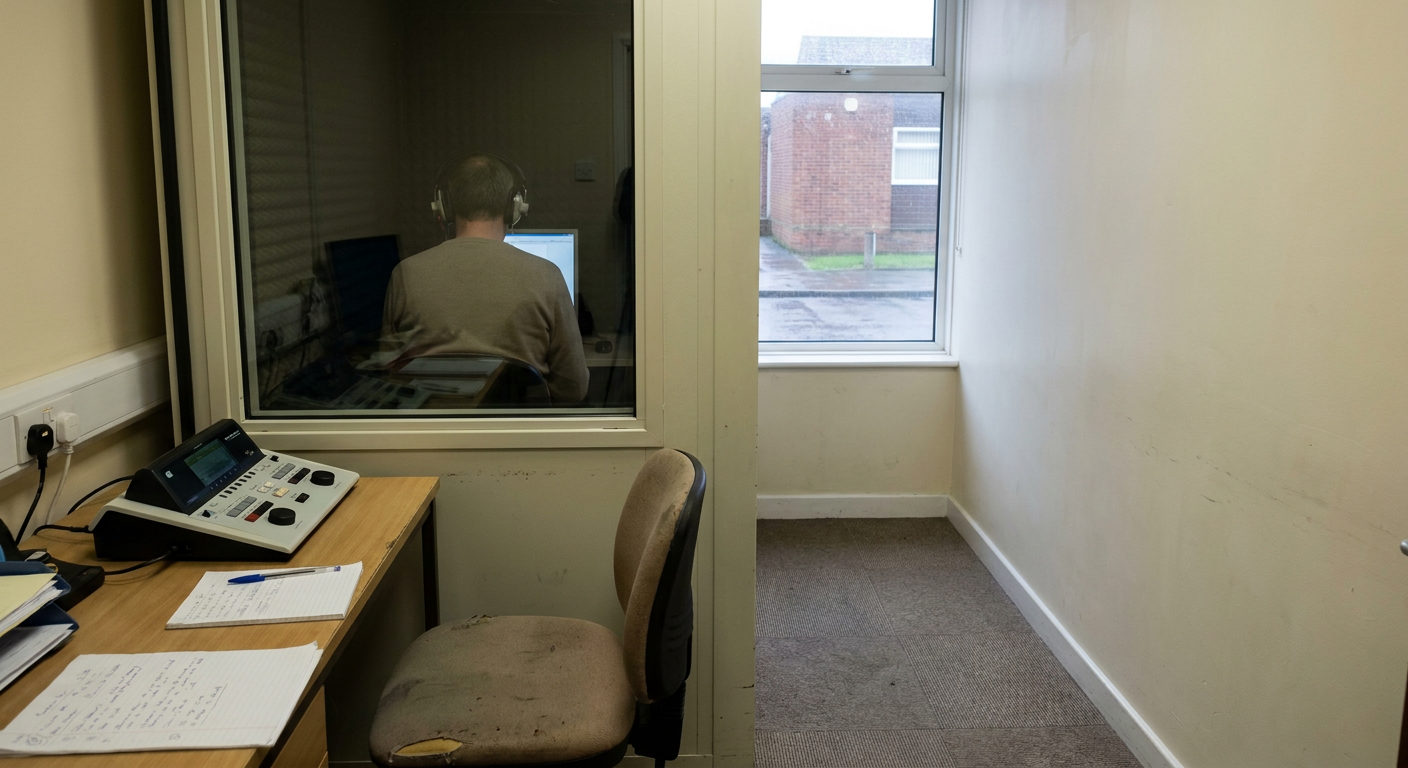
When to book a hearing test
You might notice conversations are harder to follow, or the television volume keeps creeping up. These small changes often happen slowly, so they are easy to dismiss. But if you find yourself asking people to repeat themselves, or if background noise in a busy pub makes speech impossible to track, a check is worth arranging.
The signs that suggest a test is needed range from muffled sound to a persistent ringing. Tinnitus can be unsettling, especially when it starts without warning after a cold or an infection. A specialist audiologist will examine your ears, measure how well you hear across different pitches, and explain what the results mean for your daily life.
If you live near Leigh-on-Sea, Shoeburyness or Eastwood, appointments are available locally. The process takes under an hour. You sit in a quiet room, wear headphones, and respond to tones. Find out more about [what the appointment covers](/hearing-tests-southend-on-sea) or read about the [signs you need a hearing test](/ears-playing-up/do-i-need-a-hearing-test-southend-on-sea).
Ear wax and blocked ears
Wax is normal. It protects the ear canal and usually works its way out on its own. But sometimes it builds up, hardens, and blocks sound. You might feel pressure, hear a dull hum, or notice your hearing drops suddenly after swimming or showering.
Trying to clear it yourself with cotton buds pushes the wax deeper against the eardrum. This makes the blockage worse and risks scratching the delicate skin inside the canal. A safer approach is to soften the wax with drops before any removal appointment. Olive oil or sodium bicarbonate drops, used over several days, help the specialist extract the wax cleanly.
Clinics in Southend-on-Sea use microsuction or gentle syringing to remove stubborn build-up. Both methods are done by trained specialists using purpose-built equipment. If your ear feels blocked after a cold, the cause might be fluid rather than wax, but the symptoms overlap. Read about [softening ear wax before removal](/ears-playing-up/softening-ear-wax-before-your-appointment), why [cotton buds backfire](/insights/cotton-buds-and-ear-wax-why-cleaning-can-backfire), or how [ear wax removal works in Southend](/ear-wax-removal-southend-on-sea).
Hearing aids: choosing and wearing them
If a test shows your hearing has dropped, a hearing aid might be the next step. Modern devices are small, discreet, and tuned to the specific frequencies you struggle with. They do not restore perfect hearing, but they make conversations easier and reduce the effort of listening in noisy rooms.
Choosing between battery-powered and rechargeable models depends on your routine. Rechargeable aids are simpler if you have difficulty handling tiny batteries, while disposable cells suit people who travel without reliable charging points. The fitting specialist will shape the device to your ear and programme it based on your test results.
Adjusting takes time. Your brain needs weeks to get used to sounds it had been missing, like footsteps on carpet or the hum of a fridge. Follow-up appointments allow the specialist to tweak the settings until the amplification feels natural. Explore [hearing aids in Southend-on-Sea](/hearing-aids-southend-on-sea), compare [batteries and rechargeable options](/insights/hearing-aid-batteries-or-rechargeable-which-to-pick), or see what is involved in [hearing aid fitting in Leigh-on-Sea](/hearing-aids-leigh-on-sea).
Living with hearing changes
Hearing loss affects more than conversation. At home, you might miss a smoke alarm, a doorbell, or the timer on the oven. On the road, failing to hear an approaching siren or a car indicator puts you at risk. These practical concerns matter as much as the social frustration of asking someone to speak up.
Some forms of hearing loss can be improved with treatment, particularly if caused by infection, wax, or fluid behind the eardrum. Sensorineural loss, where the inner ear nerves are damaged, cannot be reversed, but aids and coping strategies make a measurable difference. An ear infection that lingers can temporarily affect hearing, and most cases resolve once the infection clears.
Understanding what your ears are doing helps you decide what to do next. Whether you are dealing with ringing, a sudden drop after illness, or a gradual fade over years, the guides here cover the mechanics and the options. Read about [hearing loss and safety at home](/insights/hearing-loss-and-safety-at-home-alarms-and-doorbells), [driving when hearing fades](/insights/hearing-loss-and-driving-sounds-that-matter-on-the-road), or whether [hearing loss can be reversed](/insights/can-hearing-loss-be-reversed-what-treatment-can-do).
Ask about a hearing test in Southend
Send an enquiry about your hearing. A local clinic will receive it and reply with appointment availability. There is no obligation to proceed.
- No commitment required
- Local clinics only
- What to expect when you enquire