Ear care guide
Cotton buds and ear wax: why cleaning can backfire
A cotton bud feels like a quick fix for a blocked ear, but it often pushes wax deeper against the eardrum. Find out why this happens, what damage it causes, and what safer options exist when ears feel full.
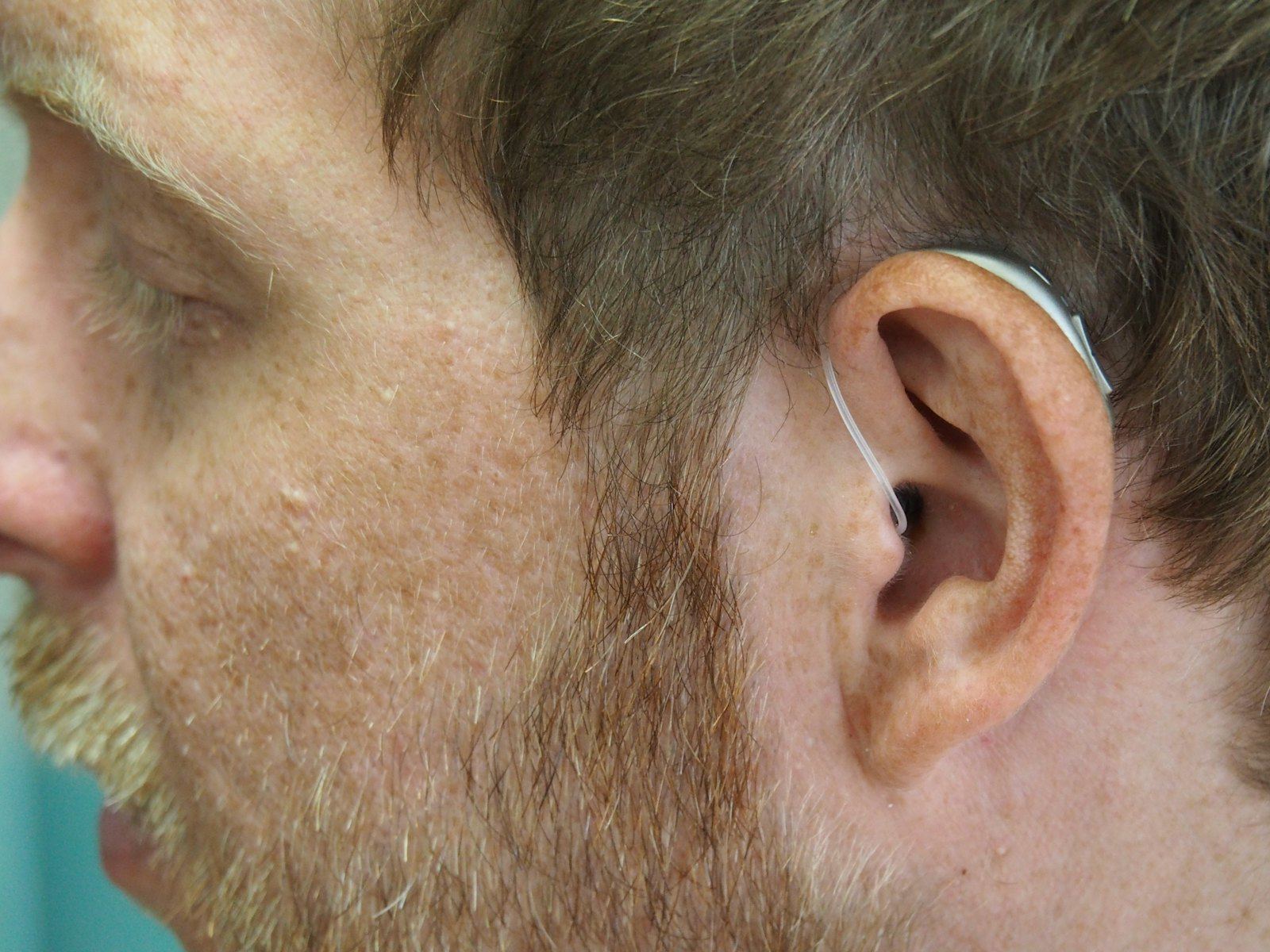

What ear wax actually does inside your ear
Ear wax is not dirt. It is a substance the body produces to coat the ear canal, trap dust, and keep bacteria away from the eardrum. Most of the time it moves outward on its own, carried by the slow migration of skin cells and helped along by chewing and talking.
Problems start when wax builds up faster than it clears. This can happen because of narrow ear canals, wearing hearing aids that block the natural exit path, or simply producing more wax than average. When the canal fills, sound has to travel through a dense plug before it reaches the eardrum. Voices sound muffled. You might notice a feeling of pressure, or a dull ache that comes and goes.
If you are unsure whether wax is causing trouble or something else is going on, a hearing test in Southend-on-Sea checks both the clarity of your hearing and the physical state of the ear canal. An audiologist looks inside before any testing begins, so they know if wax needs dealing with first.
Why a cotton bud makes the problem worse
The shape of a cotton bud works against you. The ear canal is roughly two and a half centimetres long and curves slightly inward. When you push a bud into that space, the tip acts like a ramrod. Instead of scooping wax out, it compresses the soft material and drives it further down toward the eardrum. Each pass packs the wax tighter. What started as a loose collection becomes a solid mass pressed against the most sensitive part of the ear. At that point, normal sounds become faint, and you may hear a low ringing. If you want to understand more about why that ringing starts, read about [ringing in ears causes](/ears-playing-up/ringing-in-ears). There is also the risk of scratching the thin skin lining the canal. In some cases, pushing too far perforates the eardrum itself. That kind of injury requires medical attention and takes weeks to heal. The urge to clean is understandable, but the tool is wrong for the job.
Signs the wax has been pushed too deep
You will usually notice the change straight away. One ear feels stuffed, as if you are wearing an earplug that nobody put there. Conversations become harder to follow, especially if background noise is present. If you find yourself struggling to hear speech in busy places, the cause might be impacted wax rather than permanent hearing loss.
Other signs include a sudden sharp pain when you swallow or yawn, because the jaw joint sits right next to the ear canal. Some people feel dizzy when wax presses hard enough against the eardrum to affect the balance organs nearby. A persistent itch deep inside the ear that you cannot reach is another clue.
If these symptoms appeared after you used a cotton bud, stop using it immediately. Do not try to fish the wax out with a hairpin, a twisted tissue, or another bud. Each attempt risks compacting the mass further. An audiologist in Southend-on-Sea can examine the canal with proper lighting and magnification to see exactly where the blockage sits and how dense it has become.
Safer ways to deal with a blocked ear at home
For mild build-up, softening the wax is the safest approach. Over-the-counter drops containing olive oil, almond oil, or sodium bicarbonate break down the hardened outer layer. Put a few drops in the affected ear while lying on your side, stay still for five minutes, then sit up and let the excess drain onto a tissue.
Do this twice a day for three to five days. The wax should soften enough to work its way out naturally. If you have an appointment booked for professional removal, softening the wax beforehand makes the process quicker and more comfortable. There is specific guidance on preparing your ears with drops and oils before a clinic visit.
Avoid ear candles entirely. They do not create enough suction to draw wax out, and the hot ash poses a burn risk. Water irrigation kits sold for home use carry their own dangers if the pressure is too high or the water is too cold. Leave anything involving force or instruments to someone trained to use them safely.
When to book professional ear wax removal
If softening drops do not clear the blockage after a week, or if you experience pain, discharge, or sudden hearing loss, it is time to see a specialist firm. Professional ear wax removal in Southend-on-Sea uses methods such as microsuction or gentle syringing, depending on what the examination shows is appropriate.
Microsuction uses a small vacuum tube under direct vision to lift the wax away without touching the canal walls. Syringing uses a controlled stream of warm water to flush the plug out. Both techniques are performed by practitioners who examine the ear first and stop immediately if anything looks unusual.
After the wax is gone, the audiologist will check your hearing to confirm the blockage was the only issue. Sometimes what felt like wax turns out to be a shift in hearing ability that coincided with a minor build-up. A full hearing test settles that question. You can find out what the appointment covers and how the checks work before you decide to go ahead.
Ask about an ear wax appointment
Send an enquiry and a local specialist firm will respond with available times. Asking does not commit you to a booking or a fee.
- No obligation to book
- Local specialists respond
- Questions answered first