Guide
Ear infections and hearing loss: what usually happens
Ear infections often cause muffled hearing for a while. Find out why sound drops during an infection, when it usually returns, and the signs that mean booking a hearing check makes sense.

Why an ear infection muffles your hearing
An ear infection fills the space behind the eardrum with fluid. Sound normally travels through air in that gap, vibrating the tiny bones that carry signals to the inner ear. Fluid is heavier than air, so those vibrations slow down and lose strength before they arrive.
That is why everything sounds distant or muffled during a bad cold or an earache. The eardrum cannot move freely when liquid presses against it from the inside. People often describe it as listening through water, or like someone has stuffed cotton wool into the ear canal.
This type of hearing drop is called conductive hearing loss. It means the mechanics of the outer or middle ear are blocking sound, rather than the nerve endings failing. A blocked ear after a cold works on exactly the same principle, even without a full infection taking hold. You can read more about [why ears feel blocked after a cold](/ears-playing-up/blocked-ear-after-a-cold) if the pressure lingers after the illness passes.
How long the muffled hearing lasts
Middle ear infections usually clear up on their own. As the inflammation settles, the body drains the trapped fluid through the Eustachian tube, which connects the back of the throat to the middle ear. Once air returns to that space, hearing goes back to normal.
Sometimes the fluid stays put long after the pain stops. This is common in children, but adults get it too. The medical term is otitis media with effusion, though most people just call it glue ear. The fluid thickens over time, making it harder for the body to shift naturally.
If the muffled feeling carries on past three weeks, the blockage is unlikely to resolve overnight. An audiologist can look inside the ear and measure how much the eardrum moves. That measurement shows whether fluid is still sitting behind it. Finding an [audiologist in Southend-on-Sea](/audiologist-southend-on-sea) who runs these checks will confirm if the delay is just leftover fluid or something else entirely.
When an infection causes lasting damage
Repeated infections take a toll. Each bout of inflammation can scar the eardrum or stiffen the small bones behind it. Over years, that scarring builds up and permanently reduces how well sound transfers inward.
In rarer cases, a severe infection spreads to the inner ear itself. That damages the hair cells responsible for turning vibrations into electrical signals. Unlike conductive loss, this sensorineural damage does not reverse when the infection clears. The hearing drop becomes permanent.
Watch for warning signs during or after an illness. Sudden hearing loss in one ear, persistent ringing, or dizziness that does not settle all suggest the inner ear might be involved. Tinnitus sometimes appears alongside an infection and can linger once the fluid drains. Read about [ringing in the ears and when to check it](/ears-playing-up/ringing-in-ears) if the noise continues after the ache fades. These symptoms warrant prompt attention from a specialist rather than waiting to see if they pass.
Signs you should book a hearing test
Do not assume every hearing change after an illness will sort itself out. If conversations at home start sounding unclear, or you keep asking people to repeat themselves weeks after a cold, the fluid may have settled into a stubborn blockage.
A hearing test measures exactly which frequencies have dropped and by how much. The results separate a temporary middle ear problem from early permanent loss. Knowing the difference changes what happens next. A simple blockage might need wax removal or drainage, while permanent loss points toward other options.
You do not need a referral to arrange a check. Local clinics run [hearing tests across Southend-on-Sea](/hearing-tests-southend-on-sea) for anyone concerned about a change in their hearing. If you live nearby, appointments are also available in [Leigh-on-Sea](/southend/leigh-on-sea), [Shoeburyness](/southend/shoeburyness) and [Eastwood](/southend/eastwood). Look at the broader [signs you might need a hearing test](/ears-playing-up/do-i-need-a-hearing-test-southend-on-sea) if you are unsure whether your symptoms justify an appointment.
What treatment looks like after the infection
Once a specialist identifies the cause of the hearing drop, the path forward depends on what they find. Trapped fluid sometimes needs help draining. In other cases, excess wax compounds the problem because the ear produces more of it during irritation. Professional [ear wax removal in Southend](/ear-wax-removal-southend-on-sea) clears the canal safely, using microsuction rather than cotton buds that push debris deeper.
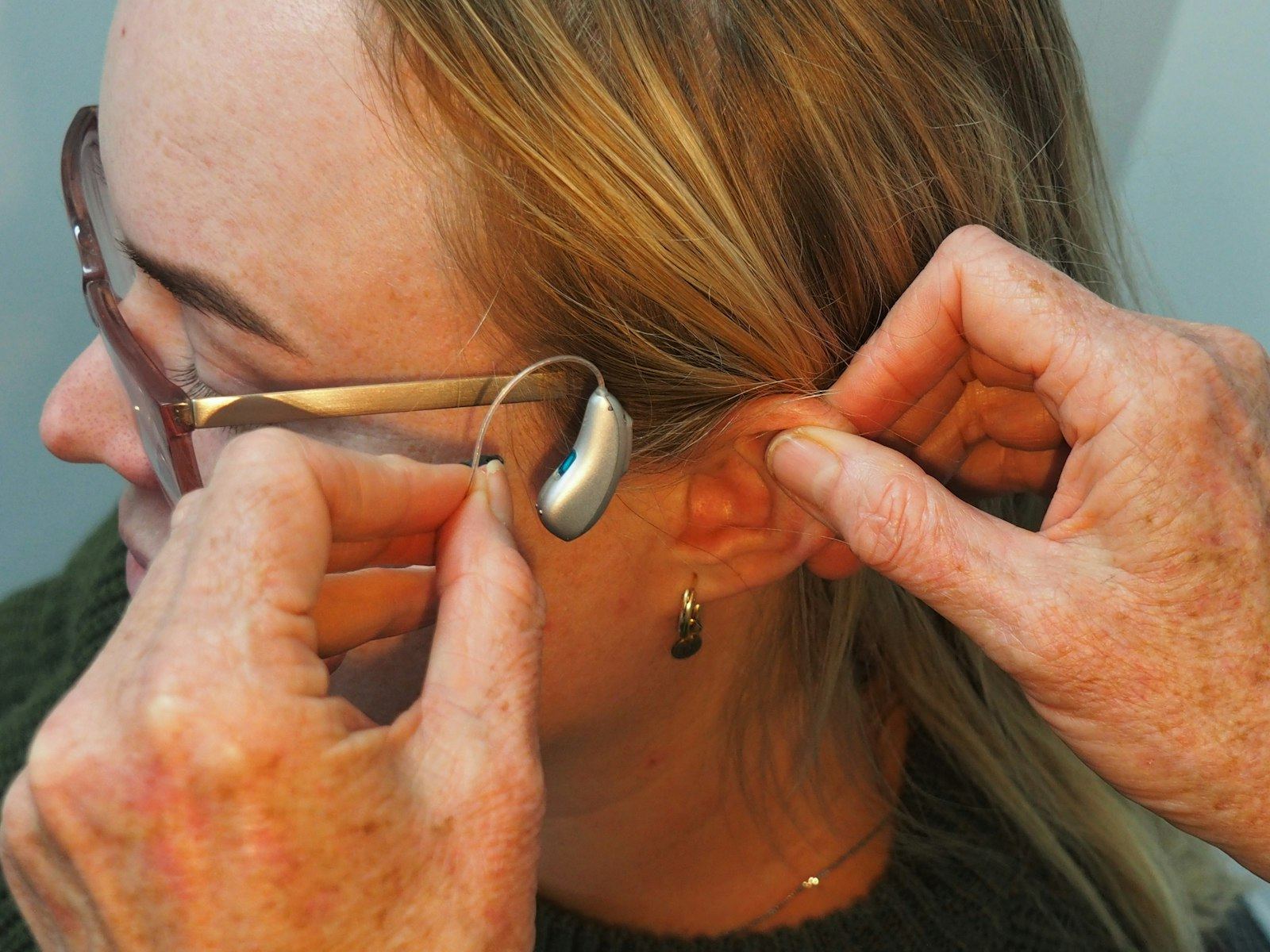
If the damage turns out to be permanent, amplification becomes the practical answer. Modern devices sit discreetly behind or inside the ear, tuned to the exact frequencies lost during the infections. Exploring [hearing aids in Southend-on-Sea](/hearing-aids-southend-on-sea) shows the styles available and how fitting works.
The important thing is not guessing. Muffled hearing after an ear infection feels alarming, but most cases resolve. The ones that do not respond to time benefit from being checked properly rather than left to drift.
Concerned about your hearing after an illness
Send your details and a local clinic will respond about availability. Asking for information does not commit you to a test or any purchase.
- No obligation to book
- Local Southend clinics
- Prompt replies