Hearing aid guide
Hearing aid batteries or rechargeable: which to pick
Disposable zinc-air cells and built-in rechargeable units power modern hearing aids. Each type affects how you handle the device, charge it overnight and manage replacements during the day.
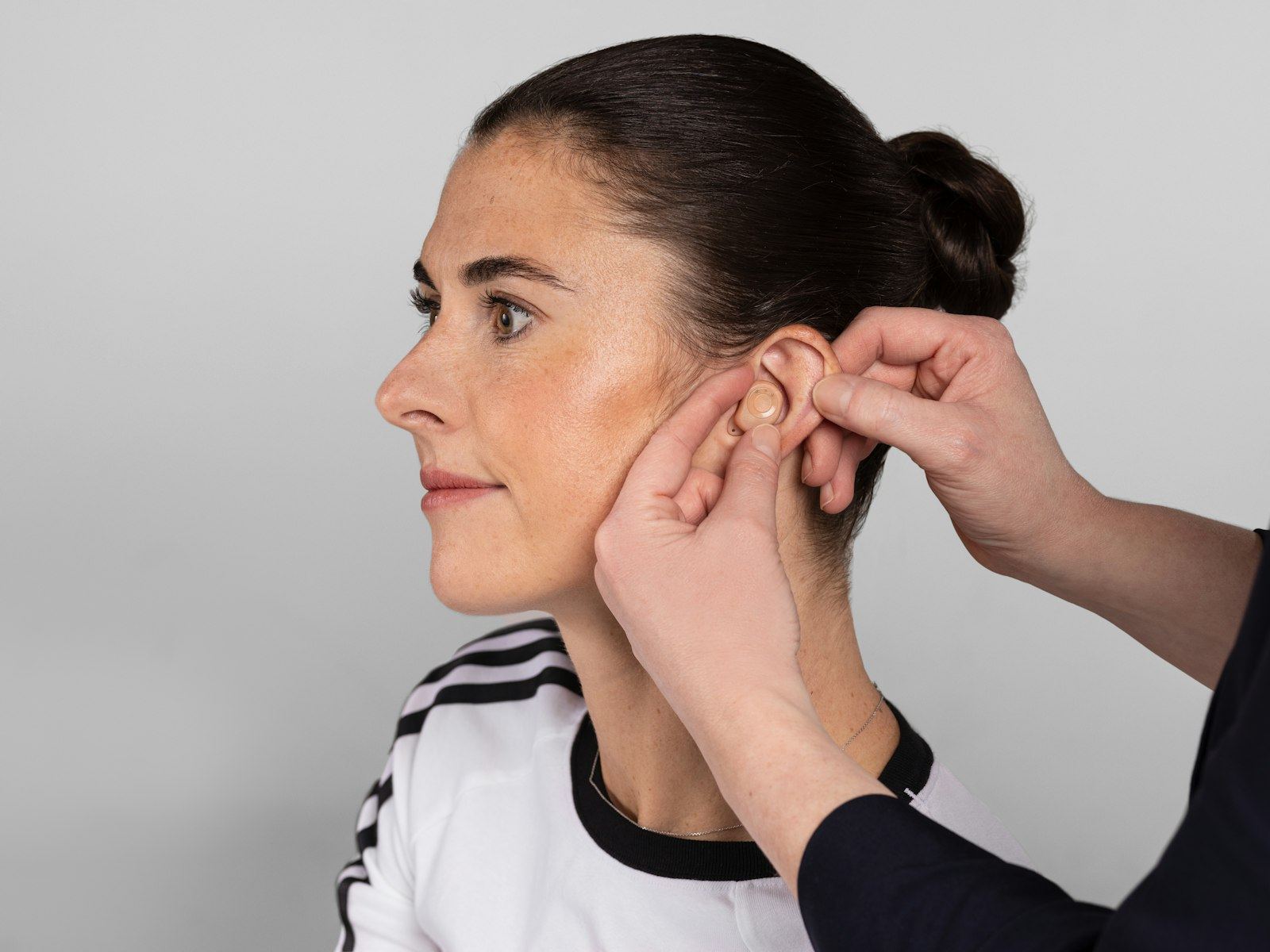
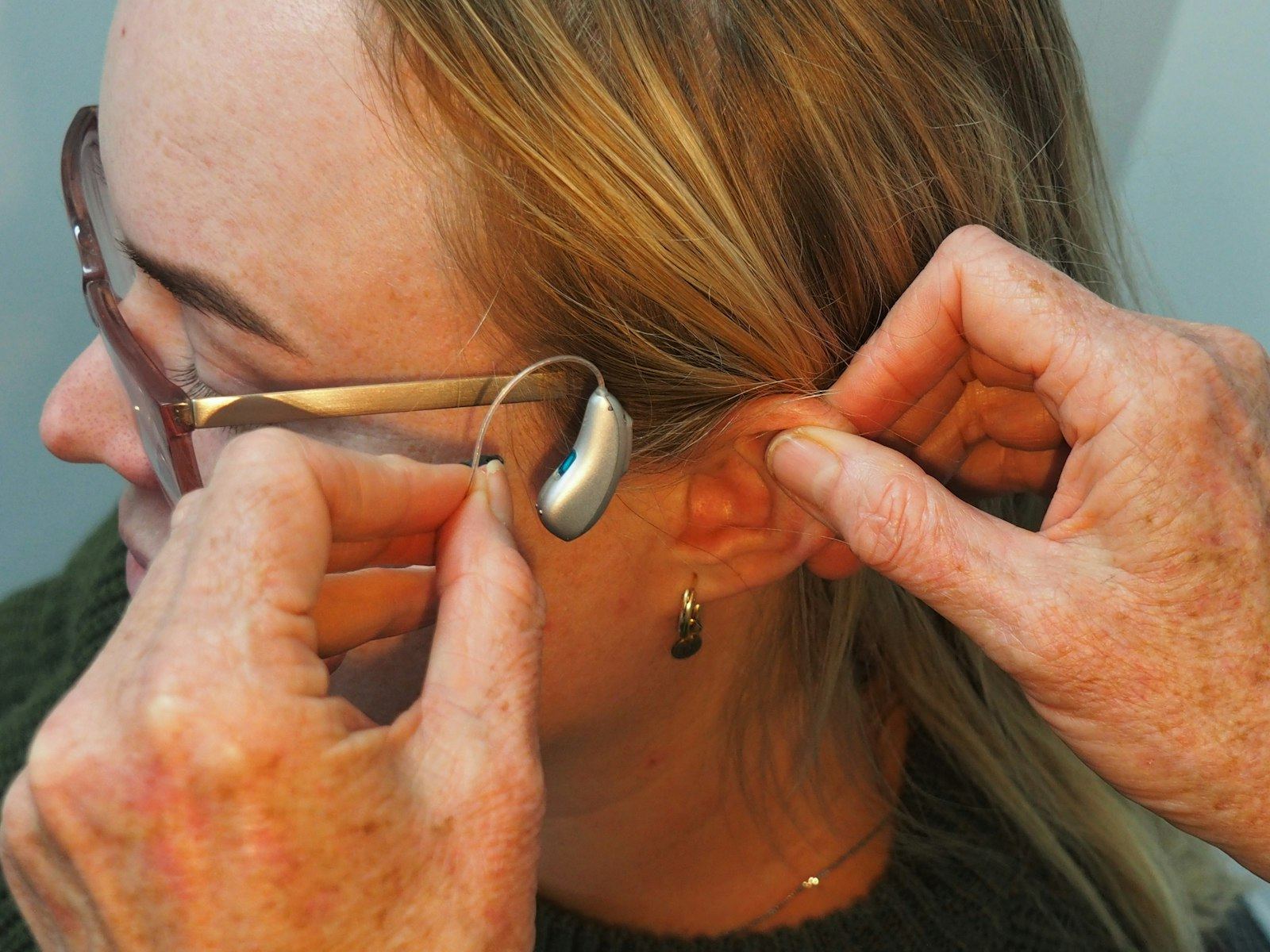
How disposable hearing aid batteries work
Most hearing aids that take replaceable power use zinc-air cells. These small round batteries come in standard sizes, colour-coded so you can match them to your device without guessing. A sticker seals each cell at the factory. Once you peel it off, air enters and activates the chemistry inside.
The battery then drains steadily whether the aid is in your ear or sitting on a table. You cannot pause this process by reapplying the sticker. A typical cell lasts between five and fourteen days, depending on how much you stream audio and how powerful the amplification needs to be.
Carrying spares is part of the routine. If a battery dies while you are out, you swap it for a fresh one in under a minute. The old cell goes in the bin. For anyone with steady hands, the change is straightforward. Smaller batteries fit smaller aids, but they hold less charge and demand more dexterity to insert. An audiologist fitting hearing aids will factor in hand strength when recommending a style.
Rechargeable hearing aids and daily charging
A rechargeable hearing aid contains a sealed lithium-ion cell, much like the one inside a mobile phone. You place the aids in a charging case each night, and they are ready by morning. There are no tiny batteries to buy, peel or throw away.
A full charge typically lasts a day, even with regular phone streaming. If you forget to put them in the case, most models offer a quick-charge function that adds several hours of use from ten minutes on the charger. This matters if you leave home early and realise the battery is low.
The trade-off is the charging case itself. You need access to a plug socket every evening. Travelling means packing the case and its cable. And if the internal battery degrades after three or four years, the whole unit usually needs servicing rather than a simple swap. The specialist firm handling your fitting will explain the expected lifespan and what happens when the cell eventually loses capacity.
Handling and dexterity considerations
Size matters more than people expect. Disposable batteries for completely-in-the-canal aids are very small. Anyone with arthritis, tremor or reduced sensation in their fingertips may struggle to grip them, align the positive side and close the battery door.
Rechargeable models remove that step entirely. You lift the aid out of the case and put it in your ear. No doors to open, no stickers to peel, no dropped cells rolling across the floor. For many older adults, this simplicity is the deciding factor.
But dexterity also applies to the charger. Placing the aids on the correct contacts requires some precision. Magnetic docks make this easier, though you still need to see or feel where the aid sits. If fine motor control is limited in both hands, the specialist carrying out the fitting can demonstrate different dock designs before you commit to a model.
Cost over the life of the hearing aid
Disposable batteries cost little individually, but the expense adds up. Someone wearing two aids might buy sixty or more cells a month if they stream heavily. Over five years, that represents a running cost you budget for alongside the original purchase.
Rechargeable aids cost more upfront because the technology and the charging case are included. After that, there is nothing to buy until the internal battery wears out. At that point, the manufacturer or the specialist firm replaces the cell, which carries a fee comparable to buying a few months of disposables.
For people who prefer predictable spending, rechargeable models flatten the cost into one payment. For those who want the option to keep using an older aid cheaply, swapping zinc-air cells avoids a larger service bill later. Both approaches have financial logic depending on how long you plan to wear the same pair.
Choosing the right power source for your routine
Think about where you spend your time. If you travel often and lack reliable access to mains electricity, carrying a strip of disposable batteries is lighter and simpler than packing a charger and hoping for a socket.
If your days follow a set pattern and you sleep in the same room each night, a charging dock on the bedside table becomes invisible routine. You stop thinking about power altogether.
Moisture is another factor. Zinc-air cells tolerate damp better than exposed charging contacts, though modern docks are designed to resist sweat and humidity. Discuss your lifestyle with the professional conducting your hearing test. They see which power sources suit active routines and which fit quieter ones. The choice shapes how comfortable the aids feel week to week, long after the initial fitting appointment ends.
Ask about hearing aid options near you
Send an enquiry about hearing aids or tests. A local specialist firm will respond to discuss what suits your hearing and your daily routine. Nothing commits you to a purchase.
- No obligation to buy
- Local specialists respond
- Advice tailored to you