Guide
Hearing loss and driving: sounds that matter on the road
Driving relies on hearing more than most people realise. Sirens, indicators and engine noise all give information about what is happening around you. Find out which sounds matter most, what changes when hearing fades, and when to book a test.
Why sound matters behind the wheel
Most drivers think of vision as the sense that keeps them safe. Hearing works alongside it constantly. A siren heard two streets away gives time to pull over before an ambulance appears in the mirror. The click of an indicator confirms it is working without looking at the dashboard. Tyre noise changing pitch tells you the road surface has shifted from tarmac to gravel.
When hearing drops, these cues arrive later or not at all. You might see the blue lights but miss the direction the vehicle is coming from. A passenger might have to remind you to cancel your indicator because you did not hear it ticking. These small gaps add up over a long journey and demand more concentration to compensate.
Sirens, horns and approaching traffic
Emergency sirens are designed to cut through background noise, but they rely on you hearing them early enough to react safely. High-frequency hearing loss makes sirens harder to pick out against engine rumble and wind noise. Horns from other drivers serve the same purpose: a short blast warns of something you have not seen.
Approaching vehicles also make themselves known through sound. A car pulling out of a side road produces a rising engine note. Motorcycles are especially quiet visually, so their exhaust note often arrives before they do. If you find yourself startled by vehicles appearing close to you, or if passengers mention sirens you missed, your ears may be filtering out frequencies you need on the road. An [audiologist in Southend](/audiologist-southend-on-sea) can measure exactly which frequencies have dropped.
Indicators and alerts inside the car
Modern cars produce warning chimes for seatbelts, open doors, low fuel and lane departure. These sounds are pitched to be noticeable without being alarming. Mild hearing loss often affects higher pitches first, so a warning tone can blend into the radio or conversation until it becomes urgent.
The rhythmic click of your own indicator is another cue drivers stop noticing consciously. You simply hear it and know it is on. When that sound fades, you might leave the indicator running after a turn or forget to signal because the physical lever feels too light to confirm on its own. Paying attention to whether you rely on the dashboard arrow more than the sound is a useful check.
Engine noise and mechanical feedback
Experienced drivers listen to their engine without thinking about it. A change in pitch signals a gear shift is due. A rattle at low speed suggests something loose underneath. A whine from the power steering pump means the fluid is low.
These mechanical sounds act as an early warning system. Catching a problem by ear often happens weeks before a dashboard light comes on. If the car feels quieter than it used to, or you only notice problems when they cause vibrations through the steering wheel, reduced hearing could be the reason. A [hearing test in Southend-on-Sea](/hearing-tests-southend-on-sea) checks whether the loss is affecting the frequencies where engine sounds sit.
When to arrange a hearing test
There is no legal requirement in the UK to pass a hearing test to hold a driving licence. But the DVLA expects you to meet safety standards, and missing auditory cues regularly puts you and others at risk. If you have noticed any of the changes described here, booking a test removes the guesswork.
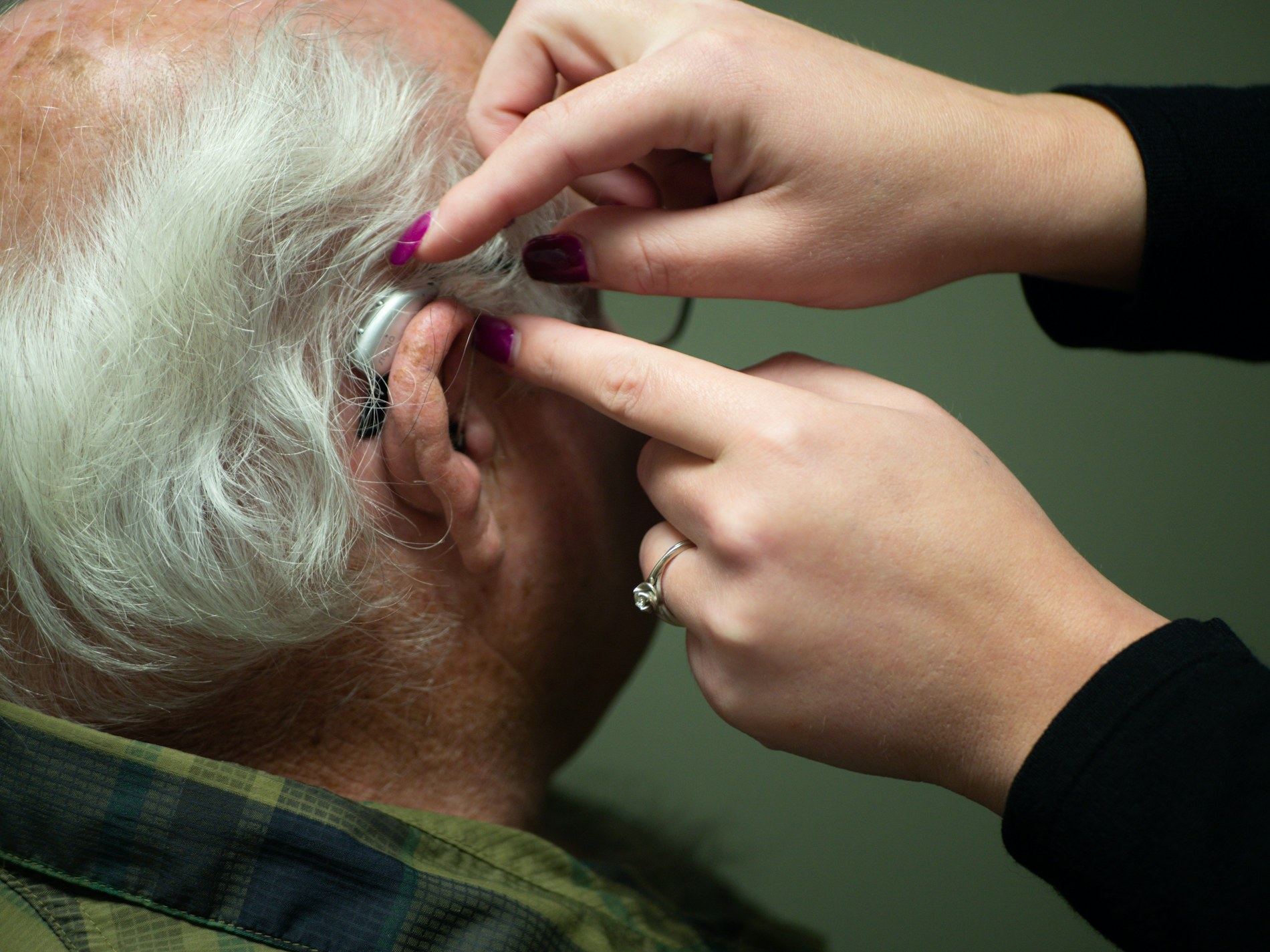
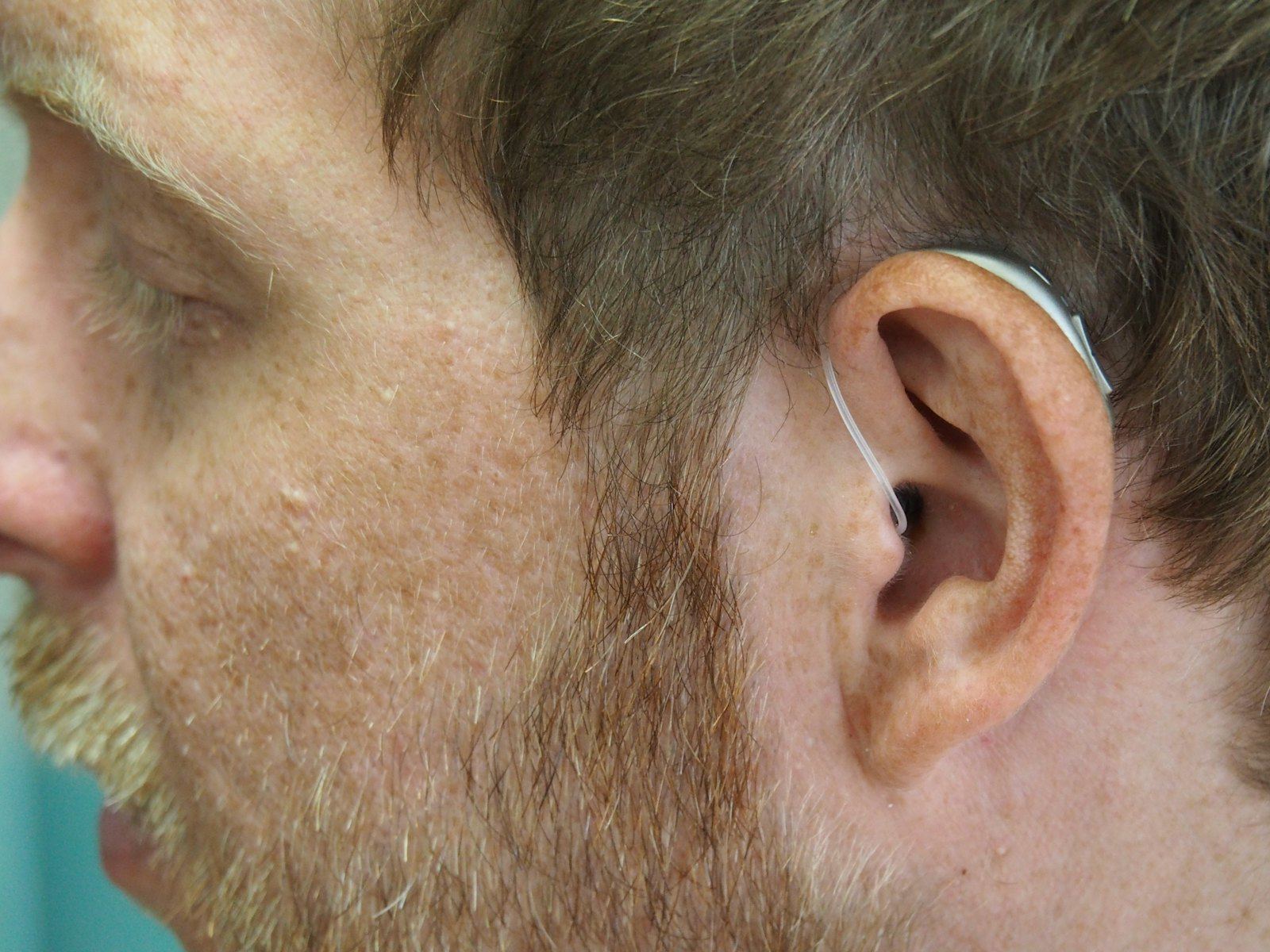
A specialist will check each ear separately across a range of frequencies and plot the results on an audiogram. That chart shows precisely where your hearing sits compared to normal thresholds. If wax buildup is part of the problem, [ear wax removal in Southend](/ear-wax-removal-southend-on-sea) might restore clarity quickly. If the loss is permanent, [hearing aids](/hearing-aids-southend-on-sea) can be programmed to amplify the specific frequencies you struggle with, including those critical for driving.
Practical steps while waiting for an appointment
If you suspect your hearing has changed, a few adjustments help immediately. Keep the radio volume lower than usual so external sounds are not masked. Wind the window down slightly in residential areas where children or cyclists might approach quietly. Ask passengers to speak up rather than repeating yourself, since constant repetition divides your attention from the road.
Check your mirrors more often to compensate for missed auditory warnings. This takes practice, because glancing away from the road ahead carries its own risk. The goal is to build a habit until your appointment clarifies what is going on. Read more about [signs you might need a hearing test](/ears-playing-up/do-i-need-a-hearing-test-southend-on-sea) to decide how soon to book.
Ask about a hearing test in Southend
Send your details and the specialist firm handling appointments will respond with available times. There is no obligation to proceed beyond that first reply.
- No obligation to book
- Local appointments
- Clear next steps